

- Lawn Turf
- Paving & Stone
Get In Touch With Our Experts Today!
Give us a Call! - Composite Decking
- Soil
- Bark
- Dressing
- Artificial
- Timber
- Seed & Fertiliser
Sign up to get our latest news and blog posts in your inbox
February 16, 2026 Lawn TipsSpring LawnSpring TurfTurf Tips
How to Prepare Your Lawn for the Growing Season with George Davies
Spring is one of the most important times of year for lawn care. Whether you’re a homeowner looking to show off your lawn or a landscaper preparing a client’s dream garden, being ready for spring lawn care will keep you one step ahead for the whole year.
In this article, the experts at George Davies Turf & Stone explain how to prepare domestic, commercial, and sports lawns for spring. We also share our top tips and our recommended products to achieve the best lawn results!
While dormant over winter, your plants and turf have been living off food reserves stored in the root system – this is why protecting grass roots is crucial! But as the air and soil temperatures warm up, your grass is desperate to start producing new leaf growth to help catch more sunlight and turn it into energy to thrive in spring.
Spring is also the key time when lawns repair winter damage, enhance root systems, and thicken, ready for summer use. If you skip the spring lawn preparation, you risk patchy or uneven grass growth, weed invasions, and compacted soil.
Before starting any spring preparation, the first step is understanding what you’re dealing with. Take some time to review your lawn after winter, and look out for:
A lawn assessment can help determine whether your lawn needs repair and nourishment through overseeding and fertilising, structural improvements such as enhanced drainage, or a complete lawn replacement.
Read More:
We must remember that healthy lawns all start with healthy soil! Whether you’re laying fresh turf or reviving your existing lawn, improving and preparing your soil will benefit your lawn in spring and beyond. Top tips to enhance your soil include:
Read More:
As your turf begins to wake up and you can see consistent growth, now is the time to apply a spring/summer lawn feed, like our Envy Fertiliser. With a high nitrogen level, fertiliser will support spring growth, replace nutrient deficiencies, and enhance the colour of your lawn. Either apply a spot treatment to isolated areas or spread an even layer across your entire lawn.
Read More:
Signs that your turf may be stressed after winter include discolouration, grass thinning, and bald patches. Although these can be repaired with grass seed, fertiliser and patience, fresh turf may be a quicker and more effective solution – especially if you’re dealing with an old lawn.
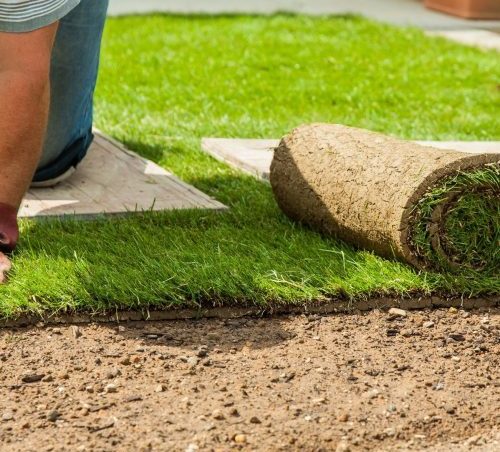
Spring is a fantastic time to lay turf, with warmer temperatures and better conditions that boost root activity for a stronger, healthier lawn.
Read More:
If you’re a homeowner looking to get your lawn in good shape for spring, you should be doing the following:
Commercial lawns will face higher levels of footfall or machine traffic. They also have greater visual expectations, so your lawn’s performance and appearance are key. Your spring priorities include:
Whether you’re tending to a golf course, football field or rugby pitch, your spring care will have a performance-led approach to ensure your grass continues to support its players. This means you should focus on:
Gardeners and landscapers often say that spring sets the tone for your lawn for the entire year – and they’re not wrong! But knowing what your lawn needs to thrive in spring is key.
With premium turf, high-quality topsoil, and expert advice, George Davies Turf & Stone helps you get your domestic or commercial lawn spring-ready and performing all year! If you need help choosing the right turf or stone products for your project, our team is always happy to help – get in touch!
Typically, early March to April. Basically, as soon as the temperature consistently rises and the ground becomes workable, this is the time to begin your spring lawn care routine.
Minor turf damage or lawn issues can be easily resolved with overseeding, fertiliser or topsoil. For heavily worn areas or old lawns, new turf may be more beneficial.
Absolutely! Spring is one of the most popular times of year to lay new turf. Make sure the ground is not frozen or sodden, and remember to prepare your soil correctly for smooth turf installation.
Yes! Spring is one of the best times to level and improve your turf’s foundations. Topsoil can help achieve this by supporting your soil’s structure and drainage levels.
 Satisfaction Guaranteed
 5 Star Reviews
 99.6% On-Time Delivery
 Open Trade Account