

- Lawn Turf
- Paving & Stone
Get In Touch With Our Experts Today!
Give us a Call! - Composite Decking
- Soil
- Bark
- Dressing
- Artificial
- Timber
- Seed & Fertiliser
Sign up to get our latest news and blog posts in your inbox
February 16, 2026 TopsoilTopsoil Tips
Advice from the Experts at GDT&S to help homeowners and landscapers get the most from using topsoil.
Healthy soil is essential to maintaining a healthy, productive garden. Over time, topsoil naturally erodes, so it’s vital to replenish it with the nutrients it lacks. Whether you need to level the ground for turf, improve drainage, or create a more nutritious soil, pairing the right topsoil with your garden task will guarantee results.
Topsoil is not just a ‘nice-to-have’; it can make all the difference to how your plants and turf respond. Packed with essential nutrients, topsoil helps replenish what your soil lacks. This supports drainage, water retention, and root growth for turf, plants, and vegetables. Ultimately, topsoil helps you:
First, not all soils are the same, and not all topsoils are the same. Each has distinct properties and behaves differently. It’s important to understand the soil type you’re working with to select the most suitable topsoil.
To break down the different types of topsoil further, head to our article, ‘What is the Best Type of Topsoil?’
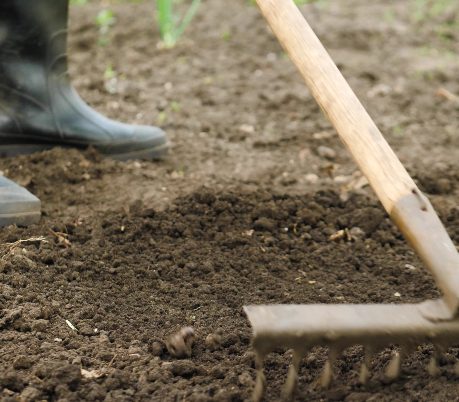
When and how you apply topsoil can also affect its effectiveness. Follow these best practices for applying topsoil:
If you’re turfing, aim for a firm level of topsoil to make laying out turf a quicker and smoother process.
Great question! Our guide on How Much Topsoil Should I Use? goes into more detail, but ultimately, it all comes down to where you’re adding topsoil:
For laying turf
For lawn levelling
For borders and planting beds
Rule of thumb for topsoil:
Ordering topsoil at the same time as your turf ensures you receive the correct quantity and all required materials together. Saving time, cost, and accuracy!
Topsoil offers huge benefits to a range of landscaping, such as:
For professional results when laying turf, we recommend a free-draining, screened topsoil like our high-quality topsoil. This sandy loam topsoil has a workable texture that supports:
It’s also compliant with British Standard BS3882:2015 for topsoil, so it’s one of the best you can get!
When you order topsoil alongside your turf or landscape materials, you also benefit from:
Our final tip: if you’re unsure about topsoil, speak to the team at George Davies Turf & Stone! We understand the importance of topsoil and can help you choose the right topsoil for your landscaping project. If you’re ordering turf, make sure you have topsoil added to your order. If you’re a landscaper, don’t miss out on our Trade Accounts for added benefits for you and your clients.
CALL US NOW ON 01234 818 253
 Satisfaction Guaranteed
 5 Star Reviews
 99.6% On-Time Delivery
 Open Trade Account