

- Turf
- Artificial
- Soil
- Timber
- Composite Decking
- Paving & Stone
Get In Touch With Our Experts Today!
Give us a Call! - Seed & Fertiliser
- Dressing
- Bark
Sign up to get our latest news and blog posts in your inbox
October 13, 2023
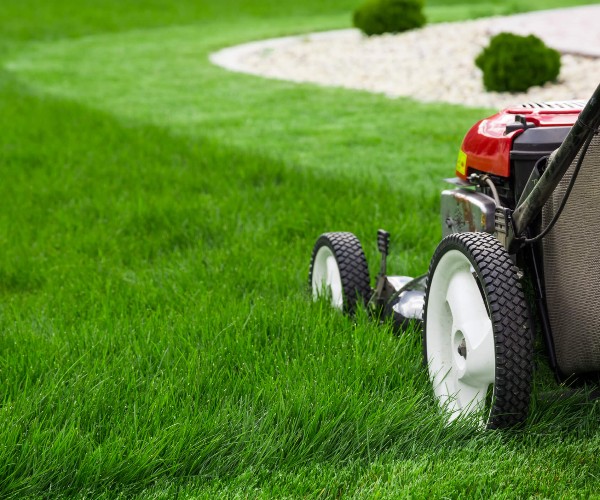
A perfectly manicured lawn is the pride and joy of many homeowners. But knowing what height to mow your lawn can often be confusing, with so much conflicting advice out there. At George Davies Turf, we’re here for you in providing the best guidance and advice possible on caring for your lawn. In this guide, we’ll walk you through everything you need to know about choosing the right mowing height for a healthy, stunning lawn.
First, let’s answer a common question: Can grass be too tall for a lawn mower? The short answer is no. Most standard lawn mowers can handle grass up to about six inches tall. If your grass has grown taller than that, you may need to do two rounds with the mower set at a higher setting on the first round. But with a sharp mower blade, even very tall grass can be cut down to size.
So what’s the ideal cutting height? This depends on a few factors:
Grass type – Different grass varieties have different optimal mowing heights.
Season – During spring and autumn months, you can mow slightly lower since growth slows. In the heat of summer, allow your lawn to grow a bit taller to provide insulation for the grass plants.
Sun exposure – Grass in full sun often benefits from a slightly taller cut to provide protection from intense sunlight. Shady lawns can be mowed shorter.
Lawn use – Areas used frequently for play or sports can tolerate very short mowing heights under 1 inch. But less busy areas of the lawn should be kept taller.
During the active growing seasons of spring and summer, you should aim to mow your lawn at least once per week, and even more frequently for warm season grasses. Be sure to remove no more than one-third of the total grass blade length in a single mowing session. This will most certainly help prevent lawn scalping, brown patches, and general poor turf health.
Now, what height should your lawn mower actually be set at? As a good starting point, set the height on your mower about one setting higher than your target lawn length. This accounts for some of the grass getting slightly trimmed even with a sharp mower blade.
For example, if your target length is 2 inches, try setting the mower setting at 2.5 or 3 inches. Check the appearance after mowing, and then adjust from there. You want to achieve a clean cut with minimal brown tips on the grass blades left behind.
At George Davies Turf, we’re dedicated to helping homeowners care for and maintain their lawns. Our lawn experts are always happy to provide tips and advice on mowing, aeration, fertilisation, and more. If your lawn is in need of a complete overhaul, we offer a range of products. Click here to see the options.
To summarise, keep these key lawn mowing tips in mind:
While mowing the lawn can be satisfying, taking things too far can actually damage your grass. Mowing the lawn too short starve the roots of the grass, and cause long-term issues. When you cut the grass too low, it removes a large portion of the leaf and stem system that provides energy to the plant. This can stress the grass, making it more vulnerable to heat, drought, and pests.
Repeated close mowing can also thin out a lawn over time. The constant removal of foliage forces the grass plants to draw on food reserves in their root system just to recover leaf growth. Eventually, the roots will weaken and the grass can die off. In addition, very short mowing exposes bare soil that can lead to weed and moss invasions. It also makes the lawn more prone to compaction and surface evaporation, further hampering grass health.
Aim to never remove more than one third of the total grass blade with mowing. And allow proper recovery periods between mowings for the best lawn health. Leaving grass on the taller side, especially in summer, provides insulation and resilience. Moderation is key when mowing your lawn. While an occasional close trim is ok, make it a habit and you risk long-term damage. Our experts at George Davies Turf can provide tips on proper mowing practices and heights for your specific grass type.
Following these best practices will ensure your lawn stays lush, green, and healthy all year long. Happy mowing!
 Why Buy From Us?
 5 Star Reviews
 99.6% On-Time Delivery
 Open Trade Account