

- Lawn Turf
- Paving & Stone
Get In Touch With Our Experts Today!
Give us a Call! - Composite Decking
- Soil
- Bark
- Dressing
- Artificial
- Timber
- Seed & Fertiliser
Sign up to get our latest news and blog posts in your inbox
February 26, 2026 Dressing A LawnLawn DressingLawn Top Dressing
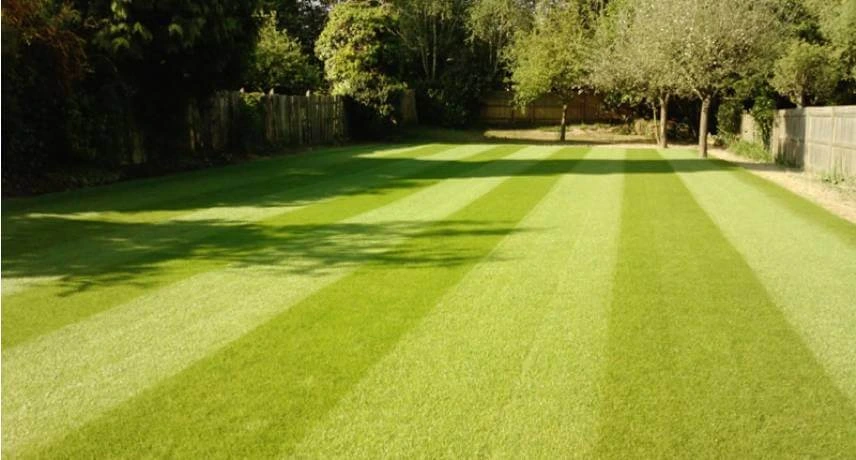
One crucial step of lawn care that helps achieve a lush, level, and rich-green lawn is lawn dressing. It’s also one of the steps that is often overlooked! The reason why we believe is that it’s not fully explained what lawn dressing is, why dressing your lawn is crucial for maintaining a level lawn, and why gardeners, landscapers, and grounds maintenance professionals should all take it seriously.
Luckily, this article walks you through everything you need to know about lawn top dressing!
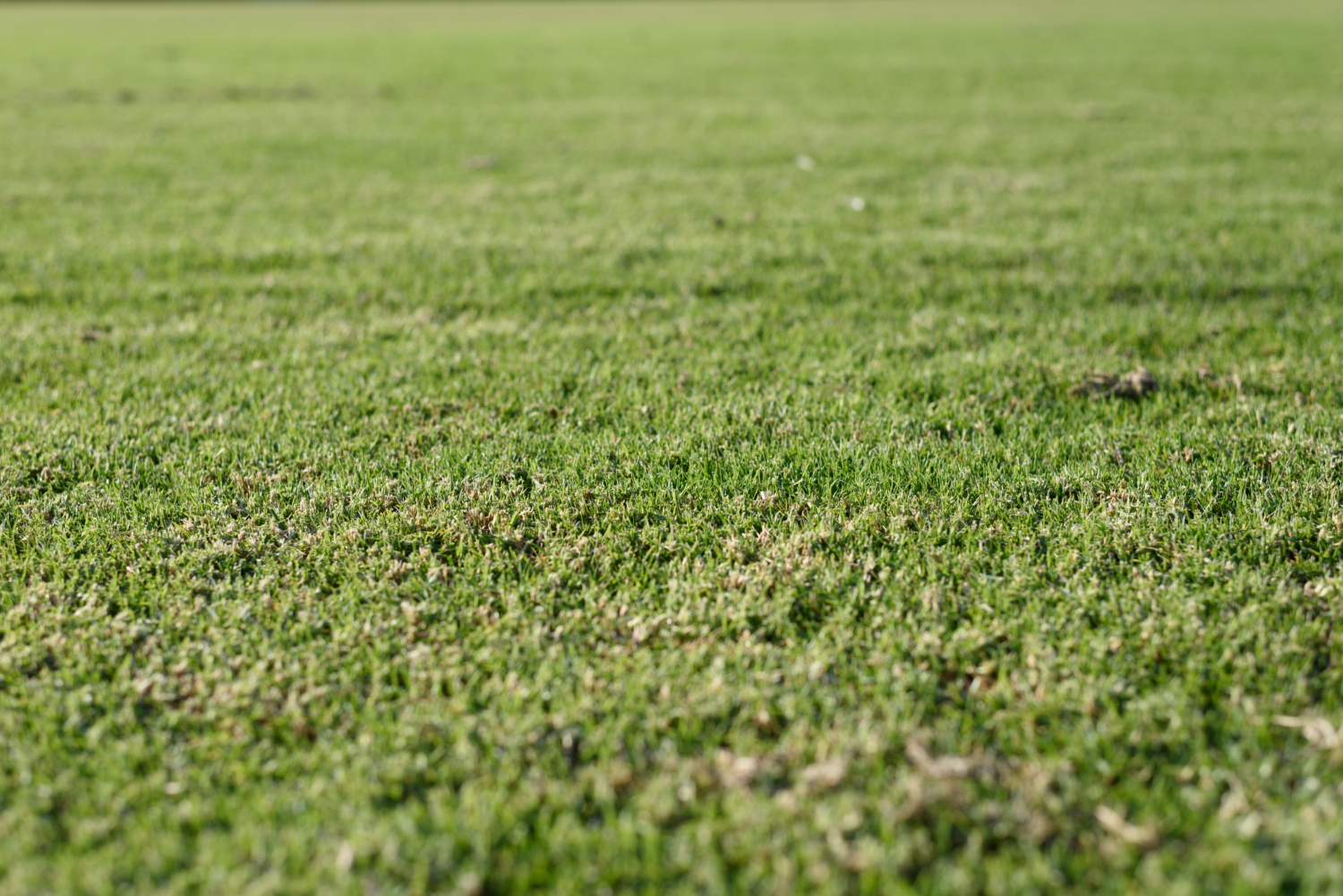
Let’s start with the basics and answer a common question: What is lawn dressing? Also known as top dressing a lawn, this is when you apply a specifically formulated material to the existing soil. Lawn dressing itself is a carefully blended mix of high-quality sand, soil and organic matter – giving your soil all the components it needs to help your turf grow. A thin layer of this product (10mm) is enough to help improve the surface, level and structure of existing lawns.
Unlike standard garden soil, professional lawn top dressing is designed purposely to improve existing turf. Whereas garden soil can be inconsistent in texture and quite dense, lawn dressing is:
If you’re invested in maintaining a lush, vibrant and healthy lawn, an annual application of lawn dressing can make all the difference!
Over time, lawns naturally become uneven, compacted and nutrient-depleted. This isn’t always due to poor lawn maintenance. Heavy foot traffic, pets, weather conditions and regular moving can all take their toll on how your lawn looks and performs. But lawn dressing can help rectify all of that.
Applying GDT&S lawn dressing helps to:
The balanced sand-soil blend of lawn dressing helps improve water movement through the root zone. This reduces the chance of water pooling or lawns waterlogging during the winter season.
Dips, divots, or dents in your lawn not only create an uneven surface but can also be dangerous for people walking across it. Lawn dressing helps fill these imperfections for a smoother, safer surface.
Lawn dressing is packed with organic matter to help increase nutrient levels within your soil. These are eaten up by the roots, encouraging them to grow deeper and stronger.
For those repairing bald or struggling grass patches by overseeding, lawn dressing is a complementary product that helps grass seed anchor and grow by creating ideal seed-to-soil contact. It also helps prevent birds from eating your grass seeds!
If your lawn just needs some TLC after a busy summer or a harsh winter, applying a thin layer of lawn dressing can help revive it. Transforming tired, thin, and patchy grass to full, vibrant and resilient lawns.
Lawn dressing is a highly versatile product that supports all turf types. When it comes to which type of lawns you can dress, lawn levelling soil is ideal for:
Like most lawn care products, timing is key! It’s no different when it comes to effectively dressing your lawn. There are two key seasons when you should consider dressing your lawn:
Spring (March-May):
Autumn (September-October)
You want to avoid applying lawn dressing if the ground is frozen, waterlogged or during high drought. These conditions prevent the dressing from settling and doing its job. You want to aim for when the grass is actively growing for the best results.
Read More: When Should I Apply Top Dressing To My Lawn?
Follow these 5 easy steps to dress your lawn correctly.
Cut your grass slightly shorter than usual, but not so short that you scalp the turf.
These are optional steps, but recommended for the best results. Remove surface thatch and scarify and/or aerate the lawn. This will break up compacted soil, allowing you to work the lawn dressing in more effectively.
Using a wheelbarrow and shovel, place piles of lawn dressing across your lawn. Using a stiff broom or rake, work the dressing evenly across your lawn.
If you have patchy or thin areas of grass that need repairing, now’s the perfect time to apply grass seed directly into your lawn dressing and across the struggling area.
Once evenly spread across, give your lawn a good drink. The moisture will help support root recovery and seed germination.
The good news is that domestic lawns only need a top lawn dressing once a year. Higher-use lawns may require more applications, but with regular dressing comes more consistent success. Applying high-quality lawn dressing helps:
For homeowners, this means a brighter, fuller lawn year after year. For professional landscapers and ground maintenance professionals, lawn dressing helps deliver better turf performance, predictable results, and improved client satisfaction.
If you’re wondering, “Is lawn dressing really worth it? The short answer is, yes! If you want a lawn that looks professionally maintained, drains well, and stays greener for longer, lawn dressing is one of the easiest and most effective investments in lawn care.
For guaranteed quality and dependable supply, explore our range of professional-grade soil and lawn dressing, and give your lawn the foundation to thrive! If you have any further questions, don’t hesitate to contact our customer service team. For landscapers, check out our Trade Account benefits and extra project support from GDT&S.
For a light layer of top lawn dressing, allow approximately 1 bulk bag per 100-150m², depending on how uneven the lawn is. A bulk bag of lawn dressing from GDT&S covers between 70 and 100m². You can also use our helpful soil calculators to determine how much lawn dressing you need.
Absolutely! Lawn dressing is designed specifically for that purpose. Apply in thin layers and brush it into the sward for best results.
If your lawn is thin or patchy, overseeding is a great idea. We recommend mixing grass seed into your lawn dressing over the specific area that needs extra support. This will help improve seed-to-soil contact and growing rates.
Most domestic lawns benefit from top dressing once a year, either in spring or autumn. Higher-use areas may benefit from more applications.
No. While lawn dressing contains organic matter, it is a balanced blend of sand, soil, and organic matter. It’s designed for lawn improvements, whereas compost is designed for increasing soil nutrient levels, and topsoil is designed to support better turf installation.
CALL US NOW ON 01234 818 253
 Satisfaction Guaranteed
 5 Star Reviews
 99.6% On-Time Delivery
 Open Trade Account