

- Lawn Turf
- Paving & Stone
Get In Touch With Our Experts Today!
Give us a Call! - Composite Decking
- Soil
- Bark
- Dressing
- Artificial
- Timber
- Seed & Fertiliser

Sign up to get our latest news and blog posts in your inbox
February 13, 2026 FertiliserWinter FertiliserWinter Lawn
Written by the turf experts at George Davies Turf & Stone
As the colder months set in, we understand why so many homeowners and landscapers pause their lawn care routine – it’s cold, wet, and you’re happy to deal with the aftermath in spring. But smart gardeners know that winter is precisely when your lawn needs thoughtful care.
With the right winter fertiliser, you can protect your lawn through frost, damp and low light, giving it a head start for spring. This guide will talk you through the benefits of winter fertiliser, along with when and how to apply it effectively.
Lawn fertiliser is a formulated lawn feed to help overall lawn health, growth, and resilience. Winter fertiliser, in particular, focuses on root health and development to support your turf throughout the colder months and prepare it for a successful spring. To achieve this, winter fertilisers, such as Nourish, should include key nutrients such as potassium and phosphate, and have lower nitrogen levels.
There are many reasons why fertilising is essential in your winter lawn care routine, such as:
Some of the bigger advantages of winter fertiliser include:
During the colder months, turf experiences a clear reduction in resources from above ground. Not only is there less sunlight, but fallen leaves can block light and oxygen from reaching your grass roots. With stronger roots, turf remains resilient and can repair itself better through winter.
Naturally, the risk of frost damage and lawn diseases is higher in winter. But winter fertiliser is packed full of nutrients, such as potassium and magnesium, which help strengthen grass cells. This makes them more resilient to the cold, damp conditions, and potential fungal infections. For more information on lawn diseases and how to resolve them, see our Guide to Lawn Fungus & Disease.
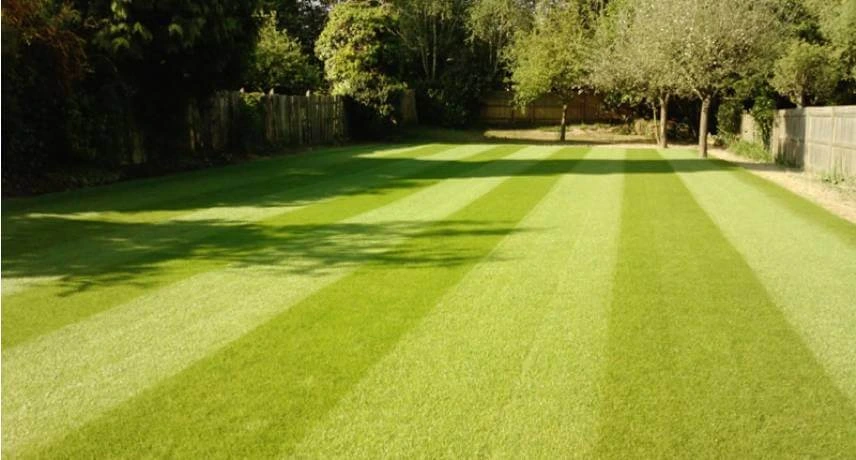
By supporting your lawn through winter, you’ll reap the benefits come spring. A nutrient boost just before the lawn becomes dormant for winter will not only protect it through the cold weather, but also ensure thicker, greener, healthier growth when it wakes in the spring.
As a bonus to strengthening your grass’s root system, fertiliser will also help reduce the risk of your grass becoming stressed, leading to thinning leaves, bald patches, or a moss invasion across your lawn. These issues tend to appear in undernourished lawns, so applying a winter fertiliser can help keep your lawn in a healthy condition.
To find the best winter fertiliser for your turf, you need to look for specific ingredients that will tackle common winter problems, such as:
When it comes to effective winter fertilising, timing and application are crucial. You want to apply your winter fertiliser just before winter truly hits. This can be a little tricky to predict in the UK with our inconsistent weather forecasts! But a good rule of thumb is after your last mow of the year, and before the ground freezes. Look for a day with light rainfall, as this will help nutrients seep into the soil rather than wash away.
Read More: How and When to Fertilise Your Lawn
You can apply winter lawn fertiliser in three easy steps:
Read more: How to Weed and Feed Your Lawn
Whether you’re laying fresh turf or looking for advice to revive your existing lawn, the team at George Davies Turf & Stone is here to help! Explore our range of products and fertilisers, get in touch, or head to our helpful guides.
Can I fertilise my lawn over winter, even if it’s dormant?
Although you can apply fertiliser to a dormant lawn, it might not take effect. Any fertiliser works best when the soil is in an active state, workable, and in slightly moist conditions. If the ground is frozen, fertiliser will not work at all.
Will I ruin my lawn if I use a spring/summer fertiliser in winter?
No, you won’t harm your lawn, but you will not be focusing on the main lawn care requirement for winter – root health. Spring/summer fertilisers are high in nitrogen to encourage growth. In winter, we want growth to be slow and roots to be stronger.
How often should I feed my lawn over winter?
With a high-quality winter fertiliser, you should only have to feed your lawn once a year in the autumn. This is when a slow-release fertiliser, like Nourish, is key, as it will feed your lawn for 6-8 weeks.
Should I scarify or aerate my lawn alongside fertilising?
Scarifying is usually better left until spring, as it can be too harsh on frozen or sodden lawns during winter. Aeration can benefit your lawn in winter by breaking up compacted soil and allowing water, oxygen, and fertiliser to reach the soil.
Will winter fertiliser help my lawn’s health and appearance?
Absolutely! The right winter fertiliser will do wonders for your lawn. Its purpose is to build root strength that will reduce grass stress, maintain a good level of turf health, and keep your lawn looking green and healthy throughout winter.
 Satisfaction Guaranteed
 5 Star Reviews
 99.6% On-Time Delivery
 Open Trade Account