

- Lawn Turf
- Paving & Stone
Get In Touch With Our Experts Today!
Give us a Call! - Composite Decking
- Soil
- Bark
- Dressing
- Artificial
- Timber
- Seed & Fertiliser

Sign up to get our latest news and blog posts in your inbox
February 16, 2026 FertiliserFertilising TipsLawn FeedLawn Fertiliser
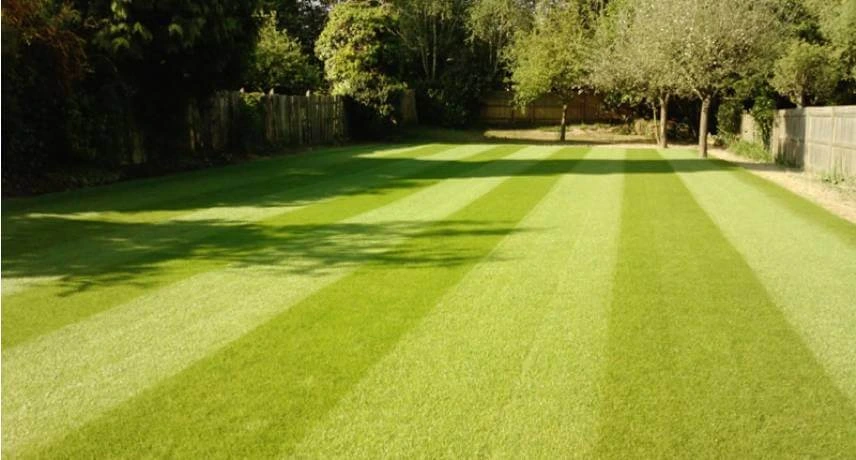
A lush green lawn doesn’t happen by chance. Yes, nature plays its part, but the key difference between a dull, lifeless lawn and a vibrant, healthy one is a seasonally focused lawn fertiliser. Good turf nutrition supports root strength and growth. So, the stronger the roots, the better they can anchor in, absorb water, and produce thick, soft, healthy turf.
In this article, our turf experts at George Davies Turf & Stone are giving you their top five tips when it comes to feeding and fertilising your lawn – what it is, why it is important, and how to get the most from the right lawn fertiliser.
Lawn fertiliser is a product that contains a blend of essential nutrients to support the health of your soil and turf. It includes a mix of chemicals such as phosphorus, nitrogen, and potassium, which help roots anchor deeper and grass leaves grow taller and stronger. Available in liquid or granular form for easy application, lawn fertiliser should be applied twice a year to support your turf’s health, appearance, and resilience.
Grass fertiliser is tailored to the seasons (spring/summer and autumn/winter) to help your grass survive and thrive in the varying conditions. When you combine the right high-quality fertiliser with a regular lawn fertilising routine, it will:
For more advice on protecting your turf, read our articles on How to Kill Weeds Without Killing My Grass and our Ultimate Guide to Lawn Fungus and Disease.
Before applying feed or fertiliser, first, assess your lawn. If the soil is compacted or the surface is mossy or covered in thatch, you need to take action before fertilising. Start by:
This tip is particularly handy for older lawns or high-traffic, commercial areas that require some extra TLC.
Uneven applications of fertiliser can cause patchy colours and inconsistent growth across your lawn. For the best impact, consider:
You should only need to fertilise your lawn twice a year – once in spring to aid healthy growth, and once in autumn to help prepare it for winter. Our top tip? Create a consistent fertilising routine and enjoy the results.
Grass fertiliser responds best to the right temperatures, conditions, and time of year. When applying your lawn fertiliser, consider the following:
Feeding your lawn isn’t just about how it looks; it’s about how it responds and survives changing conditions. We want turf that remains resilient throughout the year! This comes down to more than fertilising. It’s a combination of mowing at the right height, spotting lawn issues early, and ensuring adequate drainage. A well-fed and well-cared-for lawn will:
At George Davies Turf & Stone, we have a great range of seasonal fertilisers to help protect, strengthen, and feed your lawns:
Fertilising your lawn is an easy, high-return gardening task. It should be a key part of your lawn maintenance routine to make sure your lawn stays strong, resilient, and the envy of your neighbours! Whether you’re ordering and laying new turf, or repairing an existing lawn, add some seasonal fertiliser to your order – your lawn will thank you for it!
If you have any questions, please don’t hesitate to contact our knowledgeable and friendly team. For landscapers using large quantities of grass seed and fertiliser to maintain clients’ gardens, check out our Trade Account for additional benefits.
CALL US NOW ON 01234 818 253
 Satisfaction Guaranteed
 5 Star Reviews
 99.6% On-Time Delivery
 Open Trade Account