

- Lawn Turf
- Paving & Stone
Get In Touch With Our Experts Today!
Give us a Call! - Composite Decking
- Soil
- Bark
- Dressing
- Artificial
- Timber
- Seed & Fertiliser

Sign up to get our latest news and blog posts in your inbox
February 16, 2026 TopsoilTopsoil TipsTurf Topsoil
Why a topsoil designed specifically for turf is your secret weapon for a standout lawn
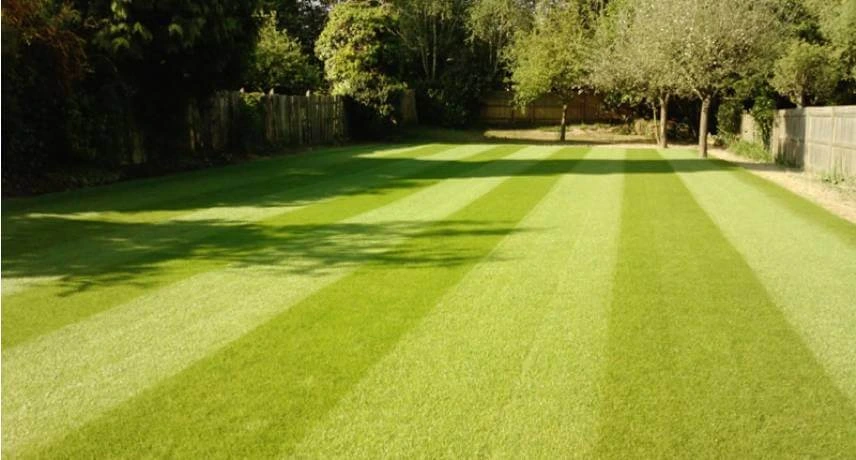
Laying fresh turf is one of the quickest ways to transform a brown, bare garden into a lush, green Eden. However, the secret to maintaining that lush, green, and healthy lawn goes completely unnoticed and hidden below the turf. We’re talking about turf topsoil. In this article, we showcase our premium topsoil designed purposely for easier turf installation, stronger root development, and consistent, healthy growth.
Turf topsoil is a specifically blended soil designed to create the ideal foundation and growing environment for freshly laid turf. Unlike generic topsoil or garden soil, turf topsoil is carefully graded and screened to provide a balanced environment that encourages rapid root establishment, improves drainage, and supports long-term lawn health.
Sourced from trusted suppliers in Lincolnshire, we’ve made sure we’ve found the best topsoil for turf growth out there! Features of our turf topsoil include:
Written by turf experts, follow these 5 easy steps to accurately install your turf topsoil:
Start by removing all weeds, stones, old turf, and debris from the area where you plan to lay new turf. If the ground is compacted, lightly turn over or aerate with a garden fork to break up compacted areas. This will also aid drainage and root penetration.
Using a wheelbarrow to transport your turf topsoil, and use a shovel to deposit even piles of it across the prepared ground.
Using a garden rake, move and spread the piles of turf topsoil until the entire area is evenly covered. You want a 30-40mm layer all over, so avoid any thick or thin spots.
You want your turf topsoil to create a firm, compressed layer. The easiest and most proven way to achieve this is with the ‘gardener’s shuffle’! Wearing appropriate footwear, start in one corner and gently shuffle your way up and down the layer of topsoil, pressing it into place. Afterwards, if any areas look uneven, re-rake and compress down again.
Before rolling out your fresh turf, make sure the final layer of turf topsoil is:
No matter the size of your lawn or the area you’re turfing, the amount of turf topsoil generally stays the same:
This depth provides enough space for roots to anchor successfully in the ground, bind turf to the soil, improve drainage, and create an even surface for turf. To figure out the quantity of turf topsoil you need to order, our turf topsoil calculator is on hand to help.
If you’re laying turf over poor-quality ground, compacted soil, or rubble, you may need a slightly deeper layer. If you’re unsure, don’t hesitate to contact the George Davies Turf & Stone team.
Ask any landscaping expert, and they will say that using topsoil when installing turf isn’t optional; it’s a critical part of a successful installation. By investing in turf topsoil, you’ll benefit from:
In our decades of turf growing, we can say for certain that a beautiful lawn does not come from turf alone. It relies on what’s underneath it, and that comes down to the quality of turf topsoil. Whether you’re a homeowner revamping your lawn or a landscaper looking to deliver professional results again and again, using turf topsoil is a must!
At George Davies Turf & Stone, you can order your turf topsoil to collect from our St Albans or Olney depots. Or, why not save yourself the journey and have it delivered directly to your site? When ordering fresh turf, add your essential turf topsoil to the order and have them both delivered together, keeping your project on track. For any further questions, get in touch with our friendly team.
Turf topsoil is free-draining, screened to a fine texture and designed specifically to aid turf rooting. Garden soil often contains organic matter, stones, and debris, which leaves an inconsistent texture that can hinder turf establishment.
Yes, you can, but we strongly recommend not to, as the results are rarely good. Adding turf topsoil is a small step that delivers big results, such as better drainage, levelling, and root contact for a long-lasting, healthy lawn.
Ideally, fresh turf should be laid as soon as possible once turf topsoil has been applied. This prevents the soil from drying out or becoming uneven. It also helps the turf establish faster.
In most cases, no. Our turf topsoil is nutrient-rich and provides everything your turf needs to establish effectively. Fertiliser can be added later if needed, or in line with the seasons.
Yes. Even if you’re repairing a small damaged or struggling area of grass, we recommend adding turf topsoil before your grass seed to help the seeds root and grow. Topsoil can also help prevent them from blowing away in the wind or from being eaten by birds
CALL US NOW ON 01234 818 253
 Satisfaction Guaranteed
 5 Star Reviews
 99.6% On-Time Delivery
 Open Trade Account