

- Lawn Turf
- Paving & Stone
Get In Touch With Our Experts Today!
Give us a Call! - Composite Decking
- Soil
- Bark
- Dressing
- Artificial
- Timber
- Seed & Fertiliser
Sign up to get our latest news and blog posts in your inbox
January 05, 2026 Snow on TurfTurfTurf TipsWinter turf
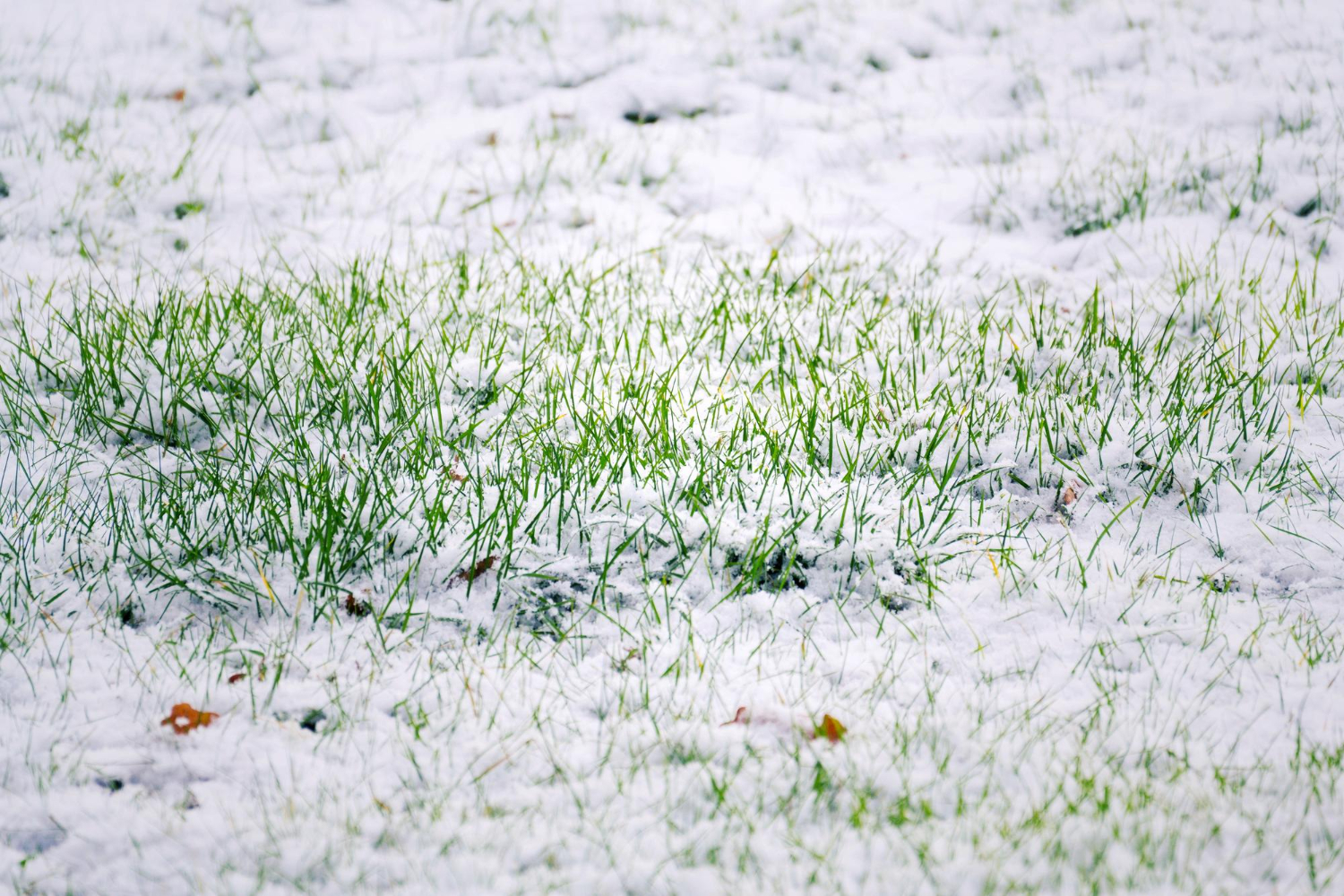
As beautiful as a white winter and frosty garden may look, you have to wonder: Is a thick, snow covering benefiting my lawn? The good news is that snow isn’t always bad for your lawn. Thin layers left to melt naturally will often go unnoticed! But situations with heavy snowfall, high traffic, or new turf may struggle if snow is left.
In the article, our turf experts explain when it’s ok to leave snow on your turf, when it’s best to remove it, and how to protect your lawn through frost and snow this winter.
In most cases, snow isn’t harmful to natural turf. Especially if your turf has been laid correctly, has adequate drainage, and has been well maintained throughout the year. Resilient lawns, such as our Trident Turf, Clover Turf, and Shade Tolerant Turf, often have nothing to worry about when it comes to snow.
When snow settles on grass, it acts like a natural blanket, protecting grass leaves and roots from extreme cold, drying winds, and drops in temperature. As it melts, it adds essential moisture to the soil, too. However, turf problems can arise if:
In most cases, there’s no need to remove snow from your lawn. Avoid walking on it, and leave it to melt naturally. The only instances where you should remove snow include:
We’ve outlined the advantages and disadvantages of snow on your lawn to help you determine when and how to remove it.
As we said, snow can act like a blanket, insulating the grass and snow beneath and reducing the risk of root damage.
Winter brings cold, dry winds that can damage exposed grass. A layer of snow can prevent grass from drying out and retain vital moisture.
As snow slowly melts, it gently releases water into the soil and down to the roots, causing less damage than heavy rainfall.
Untouched snow is a stunning sight! But the moment we start walking, playing, or placing objects on it, the snow compacts and freezes, creating a slippery surface. There’s also further damage beneath the snow, with grass blades crushed and oxygen flow restricted, which can lead to dead turf patches come spring.
Snow mould is a fungal lawn disease also known as fusarium patch. When snow sits in damp conditions for extended periods, it affects turf health, resulting in straw-coloured or pinkish patches as the snow melts. Our Guide on Lawn Fungus & Disease shares more about snow mould and other common lawn diseases.
If your lawn already struggles to drain water, snow will add another layer of complication! If snow melts quickly, depending on the amount of snow, it can saturate the ground, leading to root deterioration, soil compaction, and weak grass growth come spring.
Whether you’re seeking advice to protect your lawns from incoming snow or top tips on how to deal with the snow once it arrives, our experts are on hand to help! You can also explore our range of natural turf to ensure you have the highest-quality, most resilient turf that withstands UK winter conditions.
Is snow good for my turf, or should I remove it?
When handled correctly, snow should not damage your turf; it will melt naturally and hydrate your grass. You should only remove snow if it is causing your lawn to waterlog, or if large piles have remained in one space for a long time.
Will snow kill my grass?
No. Healthy, established lawns are fairly resilient to snow and will not kill your grass.
I have a new lawn. Will snowfall damage it?
New lawns may be susceptible to snow as they’re more vulnerable and have yet to develop a strong root system or defence. To protect your new lawn from snow damage, ensure the snow melts and absorbs adequately.
Can snow cause brown patches in my lawn come spring?
Yes, snow may be one reason for brown patches in your spring lawn. These are due to prolonged snow coverage, which can lead to snow mould and grass discolouring.
Can I, or my pets, walk on snow-covered grass?
Although you may not be able to avoid it, especially when pets need to go outside, we recommend not walking on snow-covered lawns, as it compacts the soil and can cause other issues.
CALL US NOW ON 01234 818 253
 Satisfaction Guaranteed
 5 Star Reviews
 99.6% On-Time Delivery
 Open Trade Account