

- Lawn Turf
- Paving & Stone
Get In Touch With Our Experts Today!
Give us a Call! - Composite Decking
- Soil
- Bark
- Dressing
- Artificial
- Timber
- Seed & Fertiliser
Sign up to get our latest news and blog posts in your inbox
February 16, 2026 Autumn TurfFallen LeavesTurf TipsWinter turf
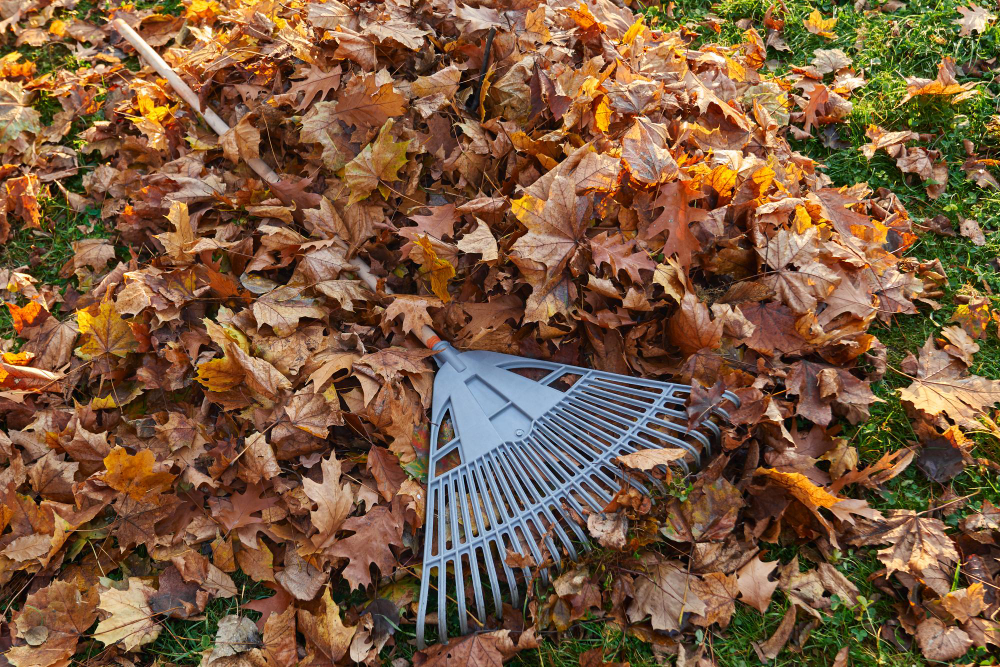
There are some clear signs that autumn has arrived: cooler weather, increased winds, and more orange, red and brown leaves covering your lawn. As pretty as this might look (and fun for kids and pets to run through!), leaves can impact the health of your turf at a key part of the year for lawn care. So, what’s the best thing to do with autumn leaves? Leave them or clear them?
At George Davies Turf & Stone, we know how crucial autumn lawn care is. That’s why we’ve written this article to ensure your turf is protected from fallen leaves, and you know precisely what to do with fallen leaves this autumn.
We hear this question every year! Discover the advantages of leaving a small layer of leaves on your lawn, and the disadvantages to your turf if you leave fallen leaves for too long.
When positioned in the right places across your garden, such as shrubs, borders, or under trees, autumn leaves break down and create a natural mulch. This organic mulch layer helps the soil retain moisture, suppresses weeds and insulates the plant’s roots from frost.
If you’re looking for an alternative way to insulate your flowerbeds through winter? Consider our natural bark mulch, which works similarly to fallen leaves, but provides a rustic, bark-like look and feel.
Compost is a combination of wet and dry materials. Fallen leaves, once dry, contribute to the dry part of your compost. Leaves are often rich in carbon, which helps balance nitrogen-heavy components like grass clippings or vegetable waste. As the leaves decompose in your compost, they add valuable nutrients that help feed your garden come spring.
Intrigued about composting? Head to our article: What is the Difference Between Topsoil and Compost to find out more.
Small piles of leaves won’t cause too much harm to your lawn. In fact, they create dry, safe spaces for wildlife such as hedgehogs, frogs, field mice, and insects. Consider making a designated area in your garden where leaves can gather and creatures can take cover. Be mindful not to let your leaf pile get too high, as this can lead to lawn diseases and issues.
With less sunlight available in winter, it’s crucial that your turf absorbs as much as possible to survive the colder months. However, if you allow leaves to cover your lawn, you’re preventing sunlight, oxygen, water, and other vital nutrients from reaching and feeding your lawn. This could lead to yellowing of your grass, moss infestation, or even lawn fungal diseases. Clear fallen leaves regularly to prevent your lawn from being smothered. Our article on How to Help Sunlight Get to the Roots of Your Lawn can help.
While some insects are beneficial to turf, dense leaf piles can attract unwanted pests such as slugs or leatherjackets. These critters feed on your grass roots, which can impact the strength and resilience of your turf, making it vulnerable during winter conditions. A buildup of damp leaves can also trap moisture and lead to turf diseases, such as Fusarium patch. For wet leaves, use a garden rake to gently rake them up and dispose of them in your compost or green waste bin.
Fallen leaves combined with wet winters equal slippery surfaces! Whether leaves fall on your lawn, driveway, path, or patio, if left, they can become a slip hazard. Furthermore, if left, fallen leaves may blow into gutters or drains, blocking adequate water drainage. If we experience heavy downfalls, surface water could end up pooling on your lawn, leading to muddy, waterlogged lawns.
In the worst-case scenario, leaving large piles of leaves across the lawn throughout the winter can lead to the death of your lawn. This is more common with old or struggling lawns that have not been repaired or overseeded correctly after summer, or fertilised in preparation for winter. You may not even realise your lawn is struggling until the spring, when you finally remove the leaves, or they blow away.
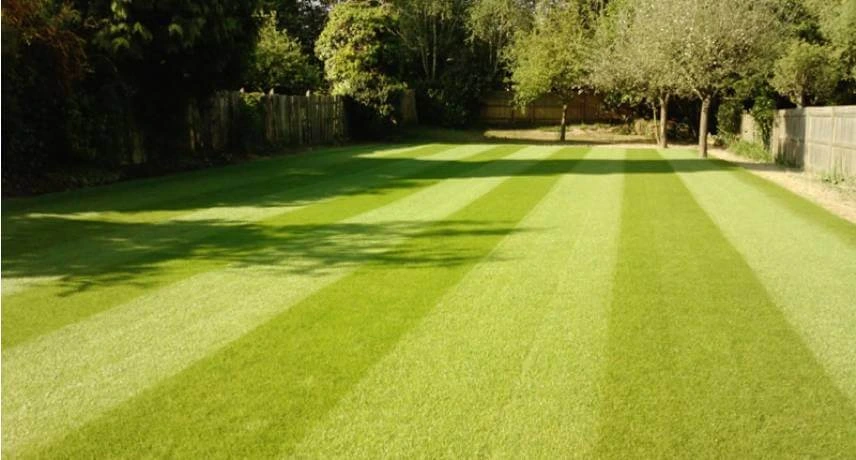
The good news is, here at George Davies Turf & Stone, we have a brilliant range of high-quality turf waiting for you.
Our Ultimate Guide on How to Lay Turf and How to Prepare Your Soil for Turf can help you when installing turf correctly.
The secret to dealing with fallen autumn leaves is consistency! During the autumn and winter months, keep your lawn in tip-top condition by:
If you believe your turf is suffering due to fallen leaves, and you need the best advice on how to repair or replace it, George Davies Turf & Stone are here to help! View our range of premium turf and stone products, or speak to our knowledgeable customer service team.
A light, scattered layer of leaves across your lawn should not cause your turf too many problems. However, dense, full coverage of your lawn can block sunlight and oxygen, which can smother your lawn, lead to lawn diseases, and impact the look and health of your turf.
Absolutely! Dry, shredded leaves make a great natural mulch for gardens, borders, flower beds, and vegetable patches. It can be used in the spring to help feed your garden, or in the winter to help insulate and protect your plants.
Leaf mould is the product of decomposed leaves. It creates a dark, crumbly soil conditioner which, when mixed into the soil, improves its health and moisture retention. It is an excellent addition to your soil, and can be used under turf and in flower beds to help support healthy grass or plant growth.
A large leaf can take one to two years to fully decompose! That’s why it’s recommended to shred leaves before adding them to your compost bin. Mixing them with wet ingredients will help speed up the composting process.
Most common garden leaves are safe to use in your garden composting. Avoid using black walnut and eucalyptus leaves, as they can release chemicals that slow plant growth when applied.
 Satisfaction Guaranteed
 5 Star Reviews
 99.6% On-Time Delivery
 Open Trade Account