

- Lawn Turf
- Paving & Stone
Get In Touch With Our Experts Today!
Give us a Call! - Composite Decking
- Soil
- Bark
- Dressing
- Artificial
- Timber
- Seed & Fertiliser
Sign up to get our latest news and blog posts in your inbox
February 16, 2026 Lawn StripingMowing AdviceTurf Tips
Does anything say ‘professional lawn’ more than perfectly striped turf? Many people think it’s something only found in stately homes or sports fields, and domestic gardens cannot achieve that. Well, think again!
Whether you’re looking to master this skill for your garden or you’re a landscaper and want to impress your clients, this article explains the basics of lawn striping and how to achieve a perfect stripe, regardless of your lawn’s shape or size.
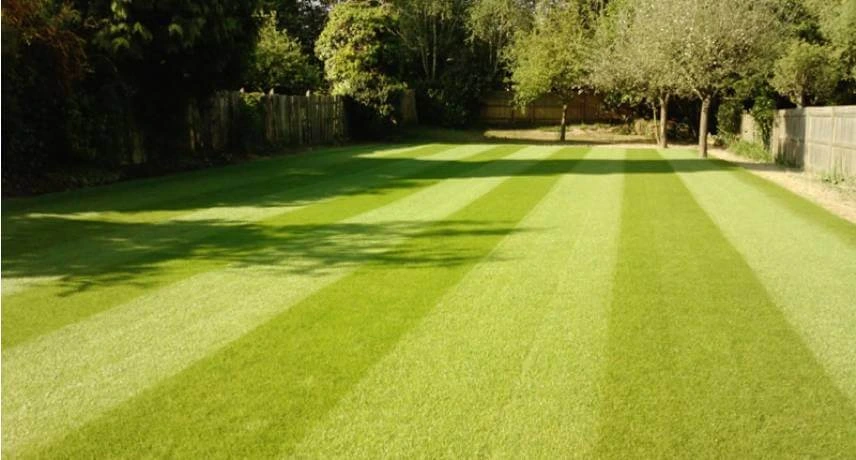
Lawn striping is the pattern of lines you see on a well-mowed, well-manicured and healthy lawn. You’ll notice alternating light and dark lines of grass, which appear after careful mowing. Each ‘line’ is mowed in a different direction to reflect the sunlight in one direction or another, creating the light and dark shades and that striped effect.
Contrary to popular belief, lawn stripes are not created by different cutting heights. Think about it, a striped football pitch would never work if the grass lines were uneven! No, to achieve a perfectly striped lawn, it comes down to bending the grass blades in so they reflect sunlight in different directions:
But how do you bend grass to create a striped lawn?
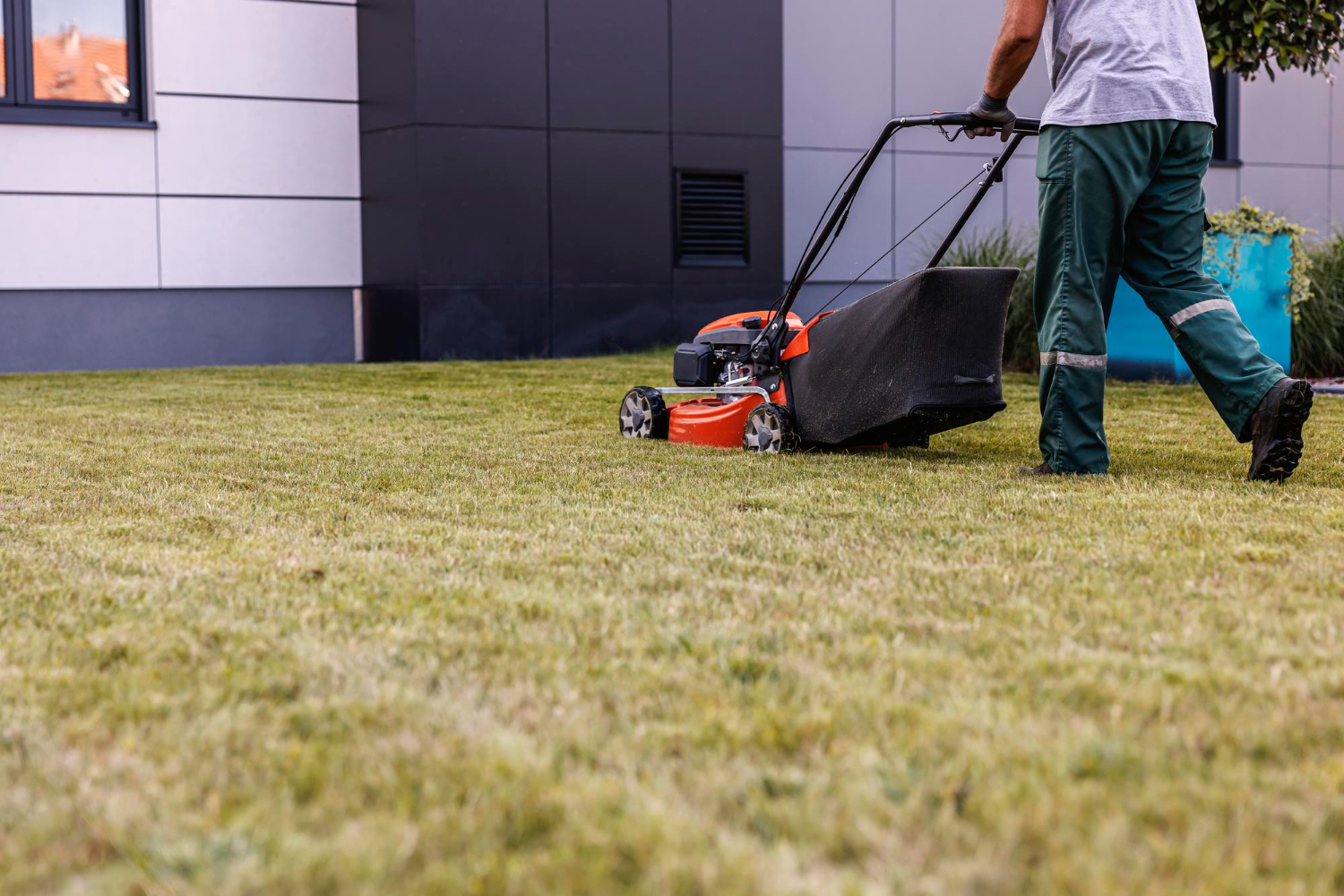
To master the striped lawn, you will require a rear roller or striping kit. These can be built-in or attached to your lawnmower. These machines use their weight to flatten the grass in the direction you are mowing. So, alternating your mowing direction is key!
Once your rear roller or striping kit is attached, follow these six simple steps:
Read More: What Height Should I Mow My Lawn? and Should I Leave Grass Clipping on My Lawn?
Like most things, long-term success comes from early planning and preparation. Uneven ground and poor turf conditions will make striping difficult and may lead to other issues. For successful results, ensure your turf’s sub-base is level, there’s free-draining soil, and your turf is even throughout.
To Tip: If your lawn is heavily used but you don’t want to disturb your pinpoint stripes, consider paving stepping stones or decorative aggregates to create a walkway around the lawn.
In the UK, most turf types can be bent to produce a striped lawn. What matters is the turf’s condition and health. Turf with weak root structures, sporadic growth, and uneven surfaces will struggle to get the desired effect. Whereas turf that has a medium to fine leaf, grows strongly and consistently, and is well established, should respond well to striping.
When done correctly, and following basic mowing advice, no, lawn striping does not harm your lawn. Problems may only occur if:
If you’re seeking a stunning striped lawn, we recommend trying it during the active growing season, such as late spring or summer. Not only is this when your grass is strongest, but if it doesn’t quite go to plan, it’ll quickly regrow and hide any errors! Avoid striping turf when your grass is dormant (e.g., winter), frost is present, the soil is waterlogged, or the grass leaves are too short.
A striped lawn isn’t about perfection; it’s about producing healthy turf and creating a welcoming lawn for show or entertainment. If you’re struggling to master the striped lawn, there may be other turf issues at play which our customer service team can help you address. Get in touch with us today, view our range of premium turf, or visit us at our St Albans branch.
Longer grass works far better for lawn striping than shorter grass. We recommend leaving your grass at 6-10 cm for the best lawn stripes.
Not at all. When striping your lawn, you’re only changing the direction of the blades and, therefore, the way you cut. When mowed correctly, striping will not impact growth rate or grass health.
Your lawn stripes will last until your grass grows – the taller the grass blades, the less defined your stripes will be. Weather, animals, foot traffic, or machinery can also disturb the timescale of your stripes.
Yes. If your lawn, domestic or commercial, small or large, is healthy, well-established, and in good condition, any type of turf and lawn can be striped.
Lawn striping can improve your lawn’s health, as we always recommend mowing in different directions to promote health and resilience. This will also help the colour, thickness, and appearance of your lawn, especially with professional-looking stripes!
 Satisfaction Guaranteed
 5 Star Reviews
 99.6% On-Time Delivery
 Open Trade Account